2026-09-23 · Dave Ellison
How to Check for Sewer Line Problems Before They Reach Your Newark Home
Newark homeowners spot sewer line problems early by checking for slow drains in multiple fixtures, gurgling sounds from toilets, and sewage odors near floor drains, especially in homes built before 1980 across neighborhoods like West Newark and Hillside Heights. These checks matter because New Castle County clay soils shift with the humid subtropical climate's cold winters and hot summers, cracking older cast-iron lines that run under many Downtown Newark properties near the University of Delaware. Regular visual checks prevent backups that affect South Newark yards sloping toward White Clay Creek State Park.
Identifying Early Warning Signs in Newark Homes
Watch for water backing up in tubs when flushing toilets, a clear indicator of main line restrictions common in Oaklands where tree roots from older landscaping invade lines. Sewage smells near basement cleanouts signal partial blockages worsened by winter freezes that contract pipes. Check yard depressions or lush grass patches over the sewer path, which point to leaks in South Newark's older housing stock. Multiple slow drains at once usually mean the issue sits past the house trap rather than in individual fixtures. These signs appear more often near the Newark Reservoir where higher water tables saturate soil and accelerate corrosion on lines installed decades ago.
How Local Climate and Terrain Affect Lines
Newark's cold winters cause ground heave that stresses sewer joints in areas like Hillside Heights, while hot summers dry clay soils and create settlement cracks. Properties near Bob Carpenter Center and the University of Delaware often sit on variable terrain that directs runoff toward foundations, increasing hydrostatic pressure on lines. Hockessin and Wilmington neighbors share similar New Castle County conditions where oak and maple roots seek moisture in sewer pipes during dry spells. Homeowners in West Newark should inspect after heavy rains when saturated ground reveals soft spots above failing sections. These patterns differ from flatter inland spots and require checking cleanout caps for standing water after storms.
Steps to Inspect Without Excavation
Start by removing the cleanout cap at 70 Albe Dr F area homes and running water from multiple fixtures to watch flow speed. Listen for air bubbles or gurgling that travels through the stack. Note any sewage residue on the cap threads, which indicates backups rising from the main. Walk the yard looking for sinkholes or wet areas along the estimated line path to the street connection. These steps take under 30 minutes and reveal whether the problem stays inside the home or involves the public main shared with nearby Chapel Hill streets. Avoid chemical cleaners that mask odors without fixing root causes in New Castle County clay.
When Professional Camera Checks Become Necessary
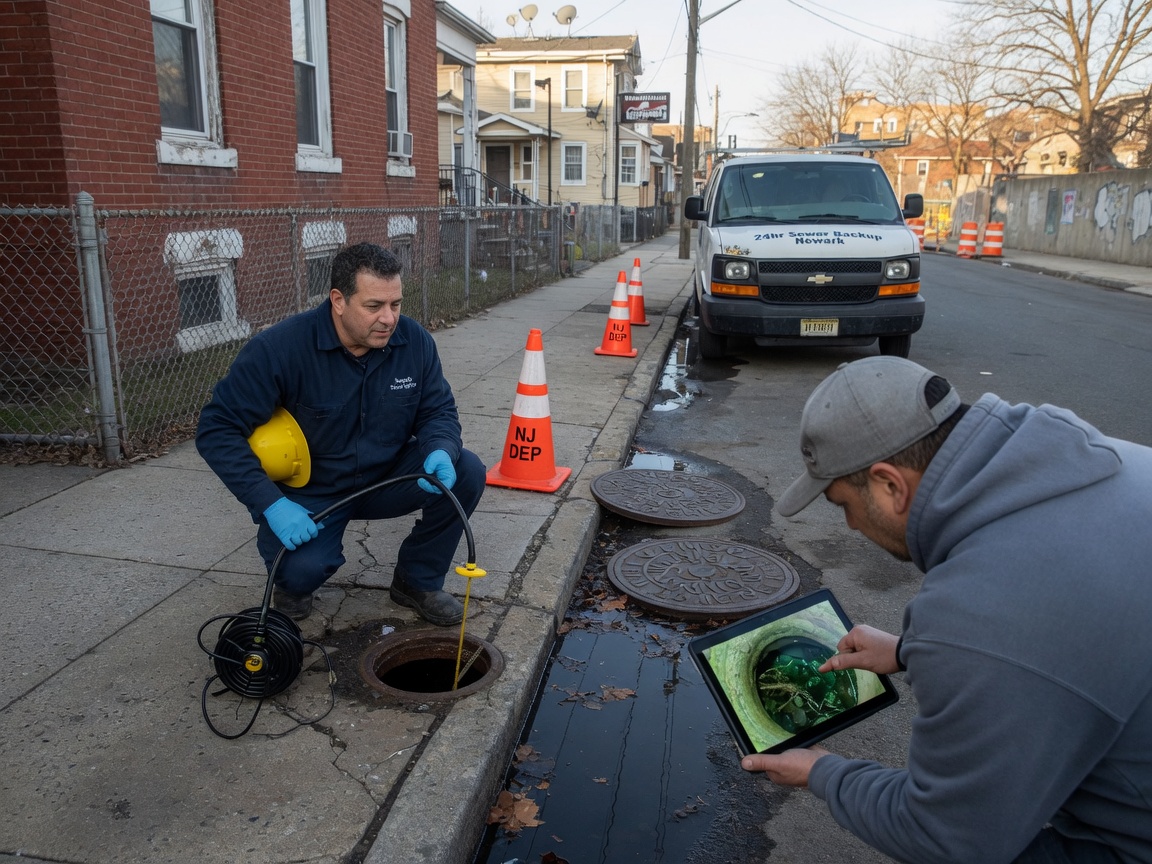
Schedule a Sewer Camera Inspection once signs appear in two or more fixtures or after winter thaws that loosen debris in lines serving older Newark homes. Technicians insert the camera through the cleanout to locate cracks, offsets, or root masses without digging. This method shows exact distances from the house and whether Sewer Line Repair or full replacement fits the situation. Readers facing repeated issues can review What Causes Sewer Backups During Newark Winter Freezes for seasonal context and Typical Price Ranges for Sewer Backup Service in Newark DE to plan next steps. Business hours at Newark Sewer Pros run Mon–Fri 8am–6pm and Sat 9am–2pm for non-emergency checks.